About
From first engineer to enterprise scale
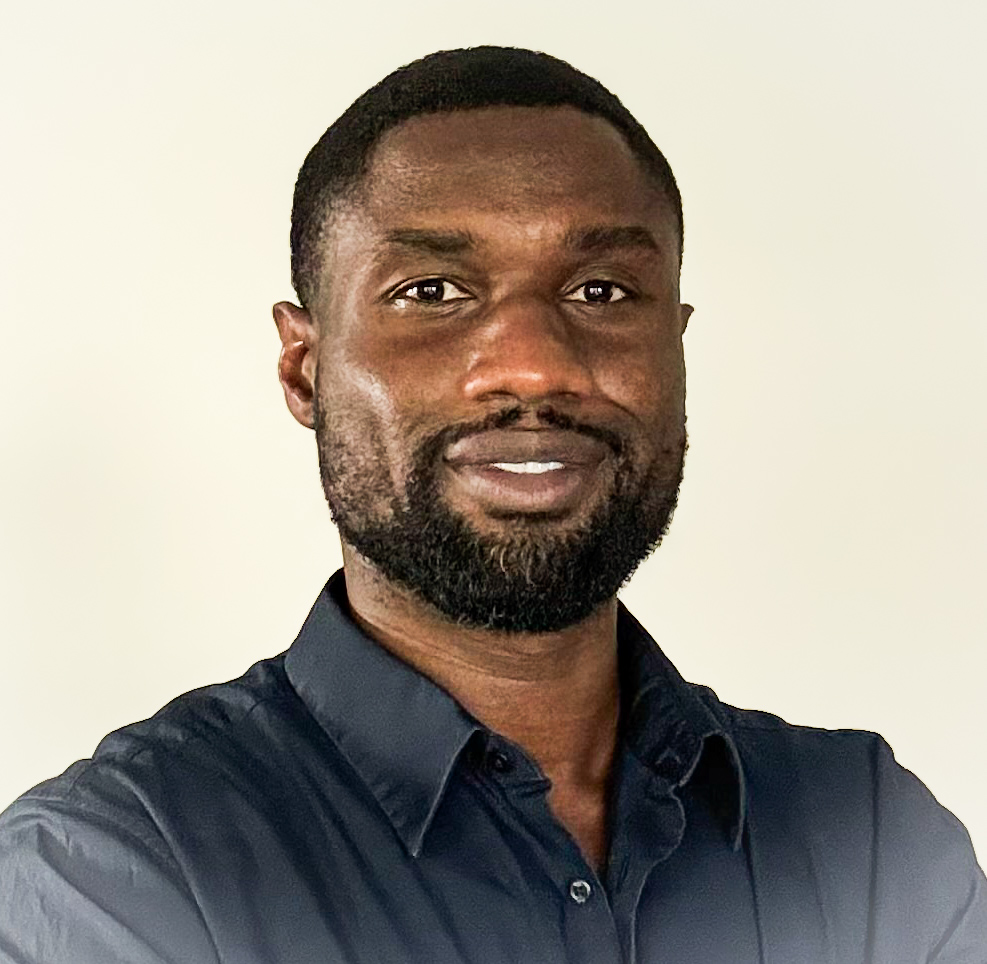
I'm Kwaku Farkye. I've spent over ten years building software — as a founder or founding engineer at five early-stage startups, two of which were acquired, and as a technical lead and CTO. I was the first full-time engineer at Rimeto, which Slack acquired. I'm based in San Diego.
Before this I was co-founder and CTO at Navi, which ran innovation programs for organizations across the US and wound down operations in December 2025. Navi was a Department of Defense innovation contractor from 2021 to 2025 and also ran programs with universities. Over its life it delivered 49 programs for 31 organizations and trained more than 1,200 people; teams that came through those programs have raised $243.9M between them.
Every one of those programs ended with a report on what actually worked. Writing those honestly — separating what the program did from what would have happened anyway — is much harder than it looks, and it is what this practice is built on.
Afram Intelligence is my practice, and I am the only person in it. Being independent isn't a positioning choice here. It is the only reason a read like this is worth paying for.